

PRIVATE PANAMA PHOTO TOURS
DURATION : 9 Days and 8 Nights
PHYSICAL LEVEL : Easy




TOUR DETAILS
Please reach us out at info@tropicalphototours.com to book your Private Panama Photo Tours with us.
INCLUSION
- Lodging from day 1 to 9
- Meals from breakfast on day 2 to breakfast on the last day
- Private transportation
- Professional guide and photography mentor
- Local guides at multiple locations
- Entrance Fees
- Water
EXCLUSION
- International Airfare.
- Dinner on arrival day.
- Alcoholic drinks
- Travel insurance
- Tips to guides and drivers.
- Items of personal nature.
Panama is a country known for its world-famous Panama Canal and a birder’s paradise. With over 900 species of birds, this country is known for its well-organized eco-tourism and wildlife. Panama is one of the most biodiverse places on earth, with many species found here and only here. This country has more endemic species even than Costa Rica. Apart from the geographic advantage, one doesn’t need to go far from Panama City to experience
the wildlife this country has to offer, and the city itself is full of nature starting with its bird life merely 30 mins from the capital city airport. From places like Soberanía National park to the dense rainforest of the Darien camp to the southernmost border of Panama, our Panama bird photo tour ensures a bird photography experience with impeccable hospitality and memorable images.
DETAILED ITINERARY
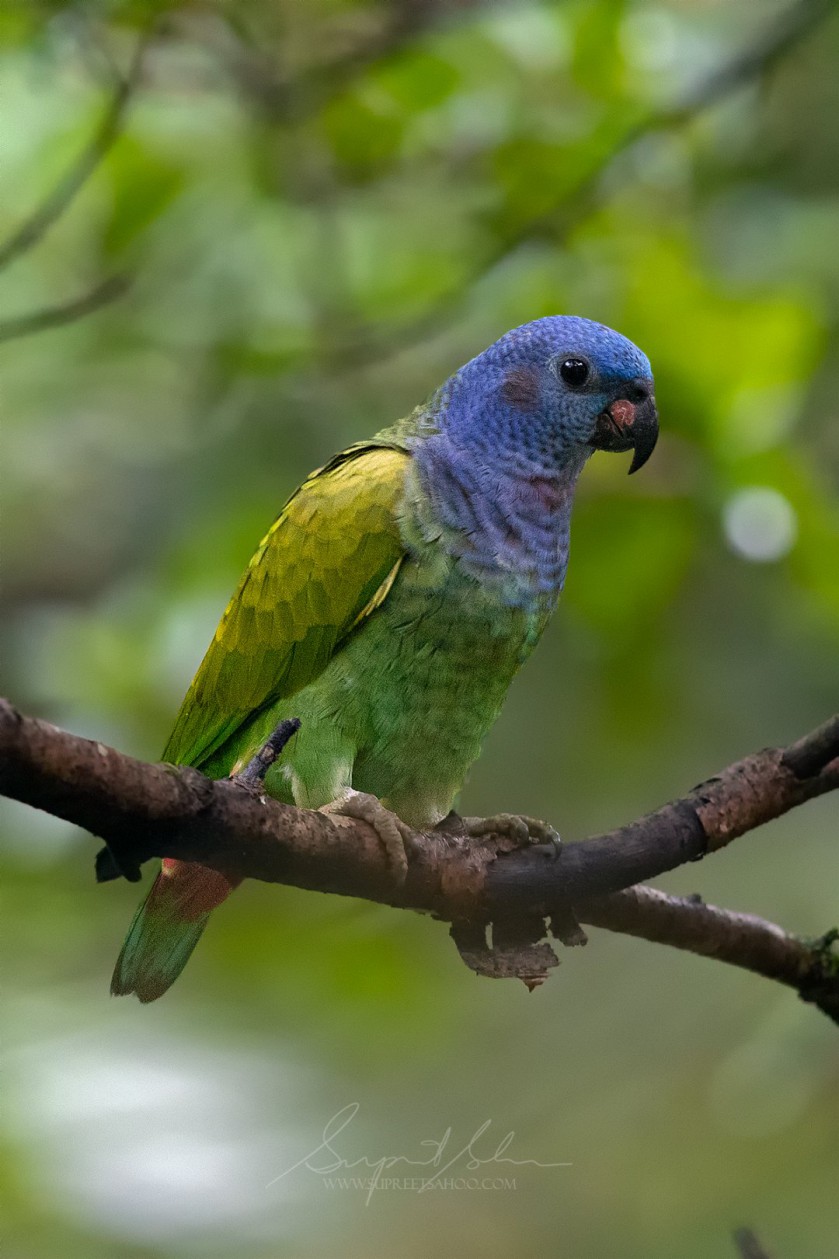
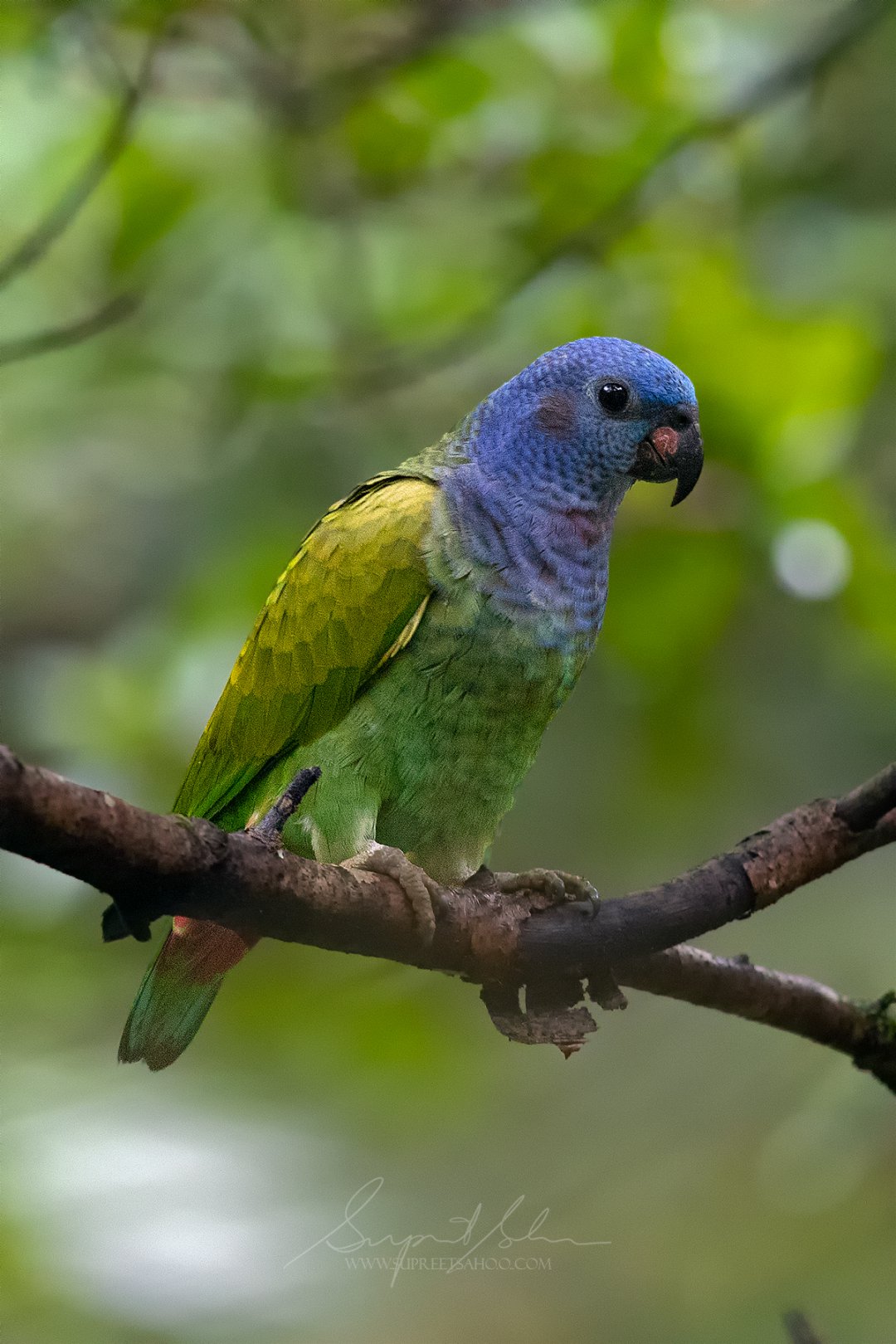
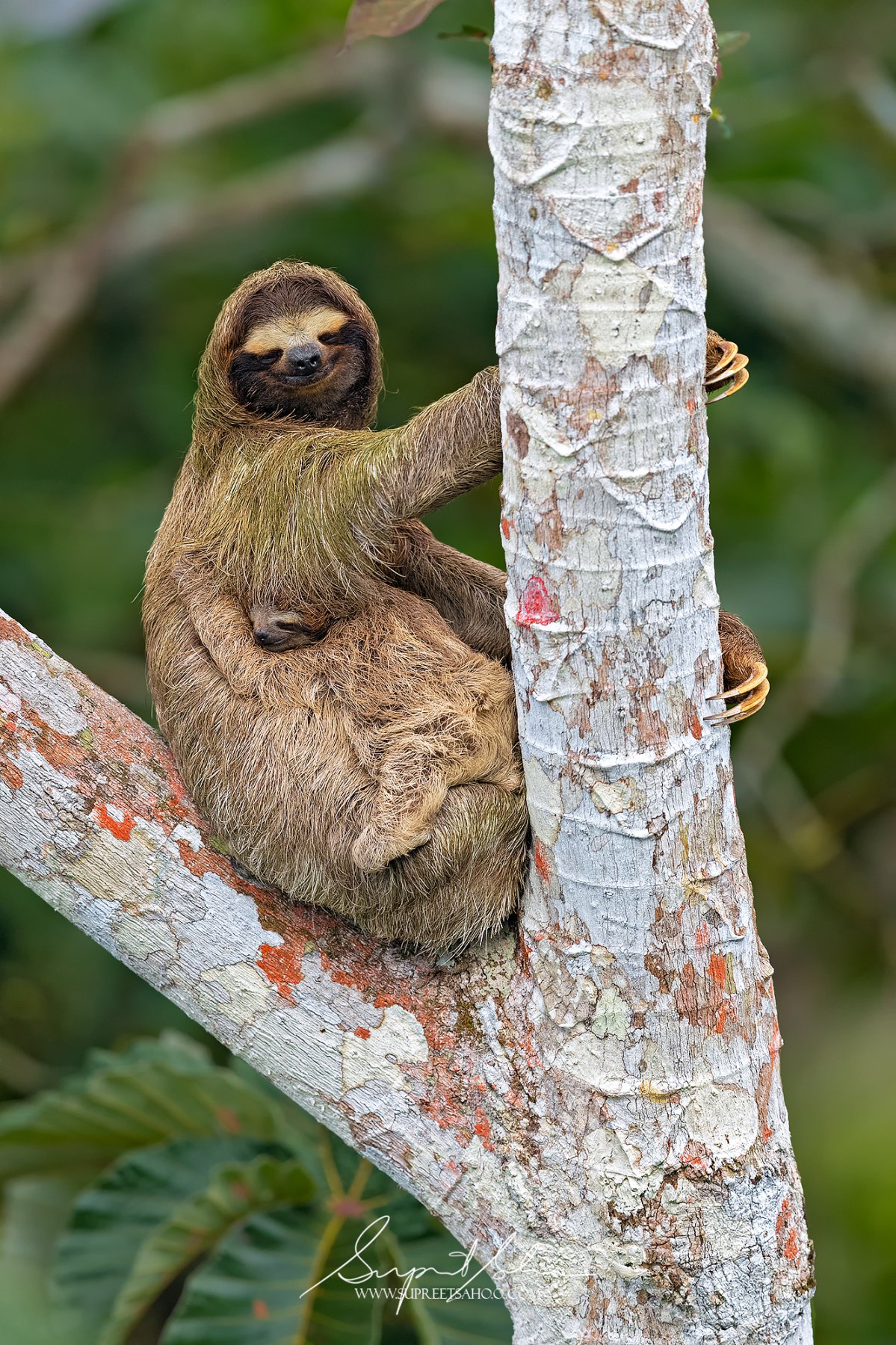
Upon arrival you will meet our representative at the Tocumen International Airport and transfer you to our first location – The Canopy Tower, located at the top of Semaphore Hill in the rainforest of Soberanía National Park. As your luggage is being ferried to your room, you may visit the dining/bar area and enjoy a refreshing drink. We highly recommend that you spend some time on the Observation Deck. The view from the platform provides some incredible Panama birding opportunities! Here, you get a unique eye-level perspective of the rainforest canopy. Many birds in the rainforest, including toucans, parrots, tanagers of various species, hawks, and dozens of others, as well as monkeys, two species of sloth, and other mammals are commonly seen. From this vantage point you can also see ships transiting the Panama Canal, the majestic Centennial Bridge, and miles of rainforest! You may also want to watch the hummingbird feeders at the base of the Tower for Long-billed Hermit, White-necked Jacobin, Violet-bellied & Blue-chested Hummingbirds and White-vented Plumeleteer. Occasionally, a Snowy-bellied Hummingbird is spotted! After all this Panama birding, dinner will be served at the CANOPY TOWER. Overnight at the eco-lodge, dinner included. Elevation: 900 feet.
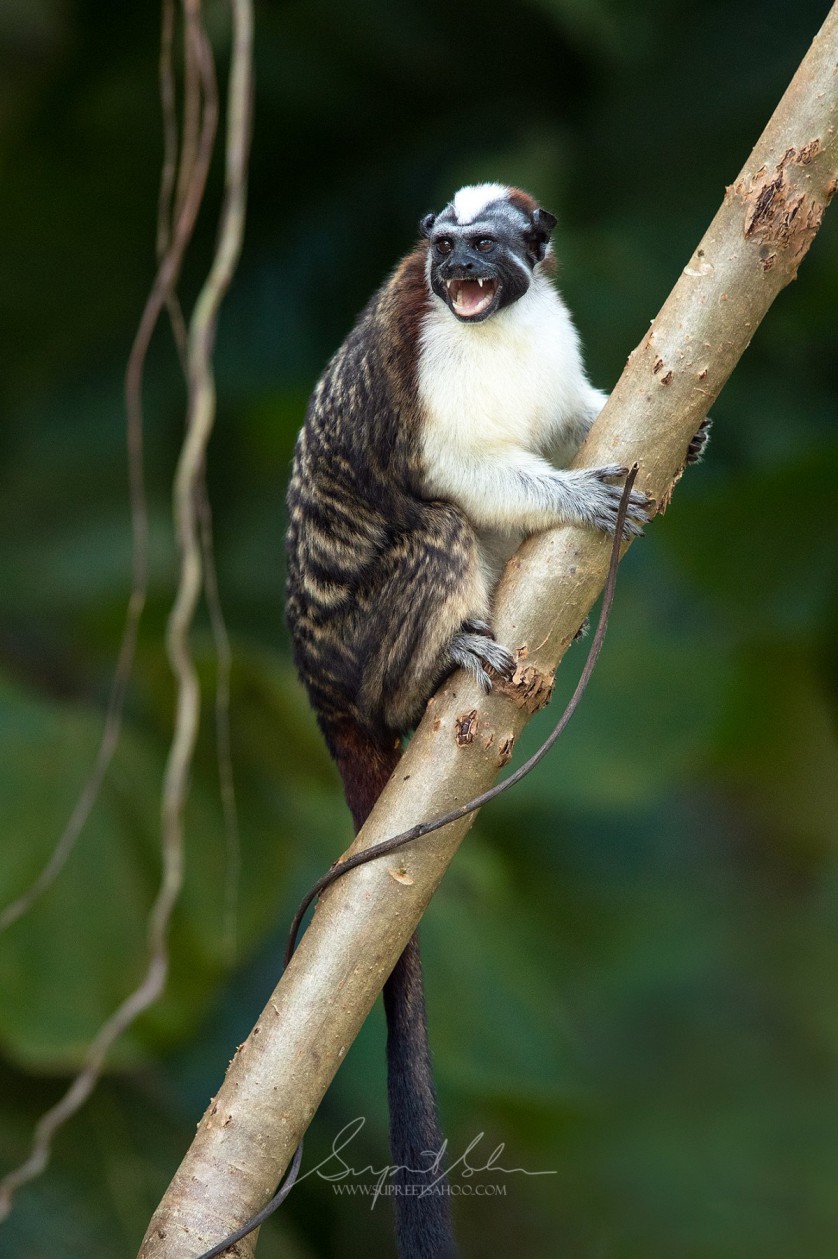
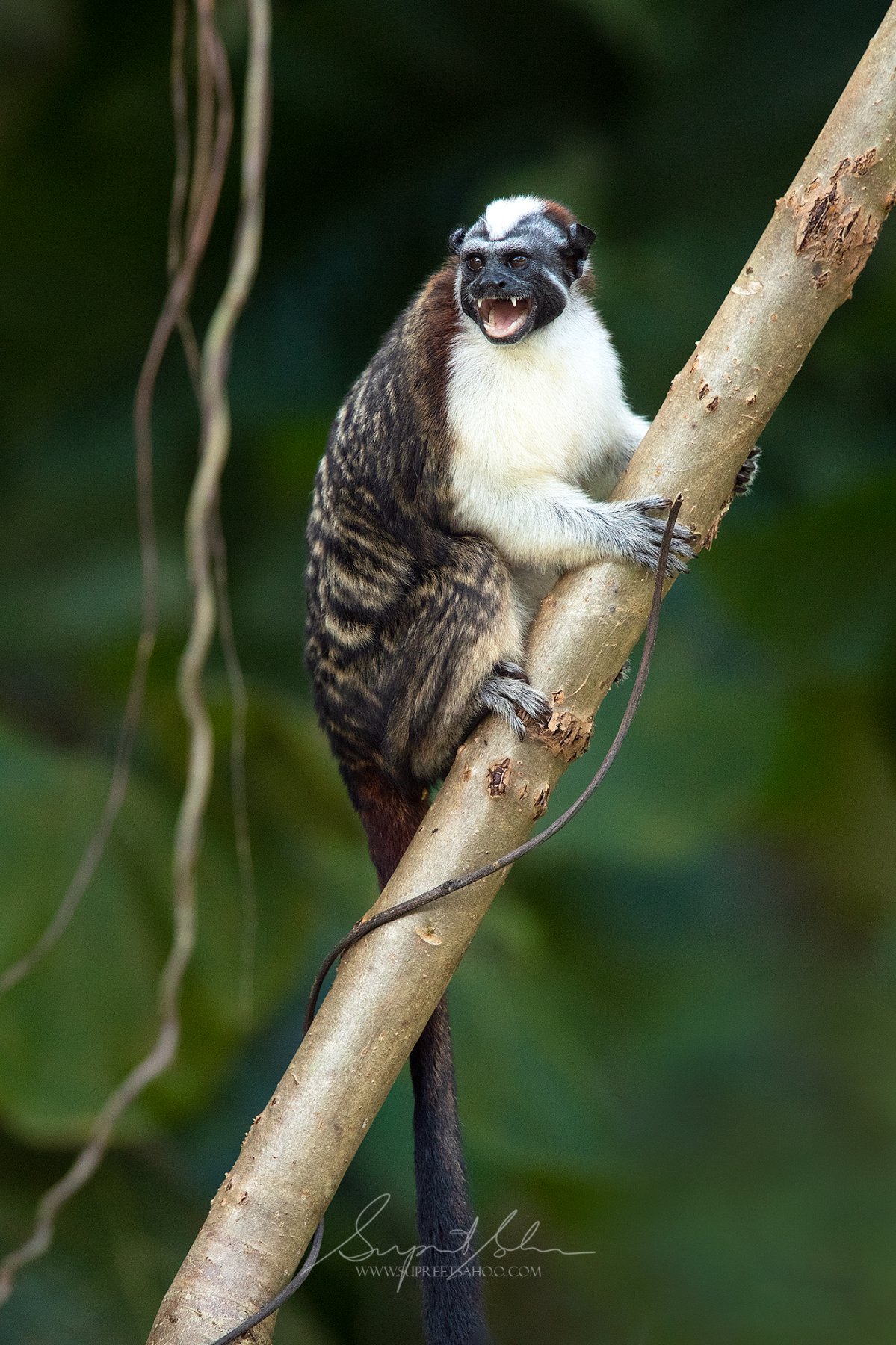
Your guide will be waiting for you at the Observation Deck for early morning birding. This morning after breakfast we go on a motorboat for a spectacular tour on the Panama Canal. Most of the Panama Canal is actually an artificial lake, Gatun Lake. This wildlife adventure will depart from Gamboa, just 15 minutes from the Canopy Tower. We start in the Chagres River, enjoying the abundance of water birds and keeping an eye out for Lesser Capybara. We will look for primates including Mantled Howlers, White-faced Capuchins and the tiny Geoffroy’s Tamarins. There is also a chance to see some interesting reptiles on this wildlife adventure, including American Crocodile (some reach 14 or more feet in length) and its smaller relative, the Spectacled Caiman, plus Basilisks and Black River Turtles. A little scarcer, but not impossible, are the Neotropical River Otter and, if we are really lucky, the West Indian Manatee. We will return to the tower for lunch. After lunch and a rest, at mid-afternoon, we will start exploring Soberanía National Park by taking a pleasant walk down Semaphore Hill Road. There are some incredible photo opportunities here, including birds like the Olivaceous Flatbill, Plain Xenops, Lesser Greenlet, Black-breasted & White-whiskered Puffbirds, Fasciated & Black-crowned (formerly Western Slaty) Antshrikes, Slate-colored Grosbeak, Bay-headed & White-shouldered Tanagers, Black-throated Trogon, Broad-billed & Rufous Motmots and even Great Jacamar may be found. Great Tinamou is often heard, but harder to see. This road is also great for raptors, such as White, Tiny & Great Black Hawks, and during migration it’s easy to see more than 10 species of warbler and other migratory songbirds in one morning. Overnight at the eco-lodge, B-L-D Elevation: 900 feet
After breakfast we will go for a morning hike up the hill in Filo del Tallo. Reserve to where two giant Cuipo trees stand side by side, surrounded by beautiful forest. The majestic “Cuipo,” also known as “Quipo,” “Bongo” & “Hamati” in Panamá, is an impressive tree, no doubt! Standing as much as 40 m tall, Cavanillesia platanifolia (Malvaceae) is deciduous, dropping its leaves at the onset of the dry season, usually in December. Flowering begins in March. The trunk can get to 1.5 m in diameter and often bulges about 2-3 m above the base. Larger trees are the favorite nest trees of the Harpy & Crested Eagle—two highly sought-after—and rare—raptors. Several trees can be seen on the hills around the Canopy Camp. Cuipo trees elicit thoughts of “wild Panama” and make impressive specimens to photograph. At the Camp post lunch we take a walk around the area trails to see and photograph Yellow-throated and Keel-billed Toucans call from the towering Cuipo trees; Red-lored and Mealy Parrots fly overhead; and White-bellied Antbird, Bright-rumped Attila, White-headed Wren and Golden-headed Manakin sing from the surrounding forests. Rufous-tailed Jacamar and Barred Puffbird are also seen frequently around the grounds. We will work our way into the forest on “Nando’s Trail,” in hopes of finding Tiny Hawk, Black & Great Antshrikes, Olive-backed Quail-Dove, Cinnamon Becard, Black-tailed Trogon, Double-banded Graytail, Gray-cheeked Nunlet, Yellow-breasted Flycatcher & Royal Flycatchers and Russet-winged Schiffornis. We will also be looking for groups of Red-throated Caracara, King Vulture and Short-tailed Hawk overhead in the clearings. Ornate Hawk-Eagle and Plumbeus and Zone-tailed Hawks are also possible. In the open areas, the verbenas are full of hummingbird and butterfly activity, where we hope to see Violet-bellied Hummingbird, Pale-bellied Hermit, Long-billed Star throat, Blue-throated Goldentail and if lucky, the stunning Ruby-Topaz Hummingbird feeding. Spot-crowned Barbet, Olivaceous Piculet, Red-rumped Woodpecker and Streak-headed Woodcreeper are other birds we may encounter. There will also be an opportunity to explore the grounds of the Canopy Camp at night in search of nocturnal birds and mammals, including Black-and-white & Mottled Owls, Great & Common Potoos, Kinkajou, Central American Woolly Opossum and more Overnight at the eco-lodge, B-L-D Elevation: 974 feet.
The iconic Harpy Eagle is our target for the day! Usually the local guides are aware of a Harpy Eagle nest site, often in or near Darién National Park, which gives us a prized opportunity to photograph this rare species. Depending on the availability and exact location of a nest site, we will start early, long before sunrise, and drive to Yaviza, at the end of the Pan-American Highway. Arriving at dawn in Yaviza, we will board a “piragua”—a dugout canoe—and traverse the still waters of the Chucunaque and Tuira rivers. There are plenty of birds to see along the riverside: Anhinga, Neotropic Cormorant, Great Blue, Cocoi, Little Blue, Tricolored, Striated and Capped Herons, Snowy Egret, White and Green Ibises, Pied Water-Tyrant, Yellow-hooded Blackbird, and Crested and Black Oropendolas. White-tailed Kite and Black-collared Hawk may be found cruising overhead. Upon arrival in El Real, we can scan the open areas for Spot-breasted Woodpecker and Great Potoo. Again, depending on the location of a Harpy Eagle nest site, we will meet a local truck and head south out of town past the airstrip, to the trailhead toward the border of Darien National Park! This trail is wide, traversing through lowland rainforest and alongside a river. We will hope to spend some time observing and photographing Harpy Eagles at or around their nest. Hopefully with some success this morning, we can rest and have a picnic lunch in the field and continue to bird along the trail. Other large forest raptors, including Ornate Hawk-Eagle and even Crested Eagle, may also be found in the area, as well as Gray-cheeked Nunlet, White-fronted Nunbird, Green-and-rufous Kingfisher, Agami Heron, Red-throated Caracara, Chestnut-backed Antbird (the eastern Panama race shows white dots on the wings), Chestnut-fronted and Great Green Macaws, Scarlet-browed Tanager and more. After lunch and a break, we will retrace our steps and start our way back to El Real, then head back to Yaviza by river. Along the Pan-American Highway, we can scan for bird activity as the sun sets in the horizon. Picnic lunch in on the way, dinner at the lodge. Overnight at the eco-lodge, B-L-D Elevation: 974 feet.
Today we will hope to photograph the sought-after Crested Eagle at its nest site! Like its larger cousin the Harpy Eagle, the Crested Eagle is an exceedingly rare raptor that exists at a low population density in the rainforests of Central and South America. In fact, it is usually even harder to see than the Harpy Eagle, because its nests are even more infrequently discovered. However, in the last few years the Canopy Family has built a strong track record of success at locating Crested Eagle nests in the forests of Darién, which both contributes to the conservation of the species and gives us some of the best chances in the world to see and photograph this magnificent bird! Depending on the location of a known nest site, the trip to the site will involve driving or hiking and should give us chances to spot some other Darién specialties. We will also try to time our visit to the site for optimal light and photographic conditions. Overnight at the eco-lodge, B-L-D Elevation: 974 feet
This morning we return to the Panama City for same day or next day international departures. Overnight at the capital city hotel, B-L-Dinner not included Elevation: 974 feet
Cancellation & Refund Policy
- A ‘non-refundable’ deposit of USD 1000 of the Tour fee as booking amount to reserve your spot
- The remaining balance is due in full 90 days before the start of the tour. If you would like to pay the remaining balance in installments, please let us know.
- All figures in USD per person
- Failure to make payments within this timeline could result in tour cancellation.
- A deposit is your commitment to joining the workshop. These deposits don’t typically sit in an account, they are used to cover initial expenses for the workshop like hotel reservations, park permits/fees and guided tour deposits. Due to these expenses, deposits are non-refundable and tour payment made is subject to a cancellation fee.
- More than 60 days before the start of the tour: Refund of workshop payment (not including deposit), less $100 convenience fee.
- 60 – 45 days before the start of the tour: Refund of 50% of workshop payment (not including deposit), less $199 convenience fee.
- Less than 45 days before the start of the tour: No refunds will be given, and all payments will be forfeited. Full payment is required no later than 45 days prior to departure. If full payment is not received by this date you will be notified by email. If you do not respond within 3 business days, your spot will be forfeited and offered to participants on the waiting list.
- For Travel Insurance Quotes visit: www.insuremytrip.com
- Please note: The date of written (email) communication of intent to cancel is the date considered for calculation of the cancellation fees.
CANCELLED WORKSHOPS: If we are forced to cancel a workshop for any reason, your entire payment will be transferred to another comparable workshop within one calendar year