

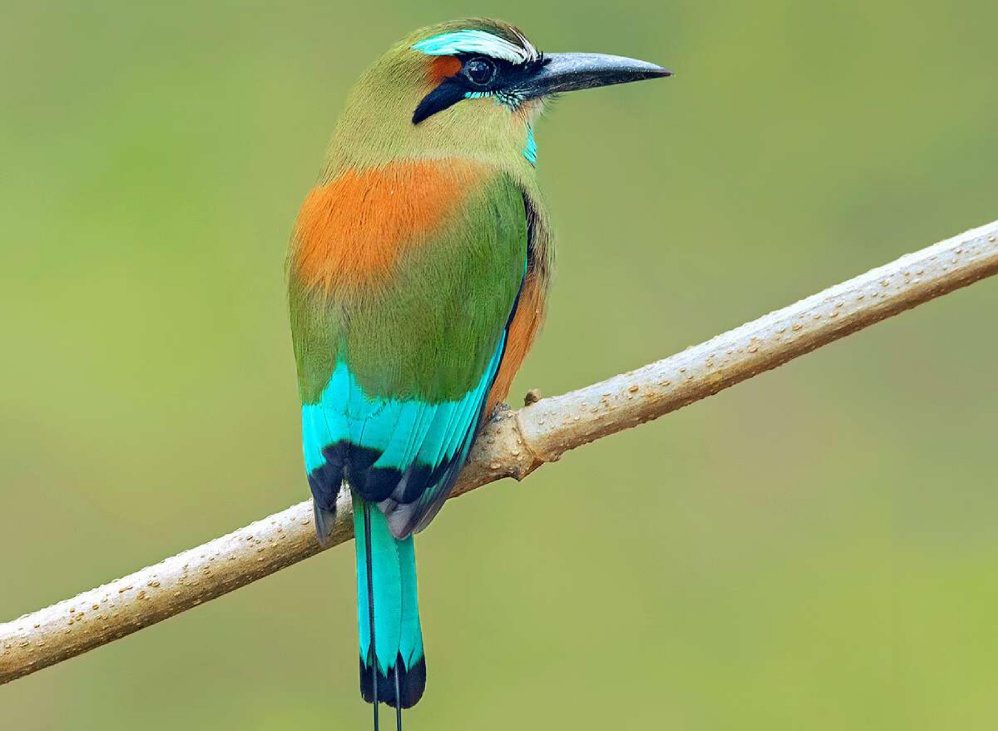
Costa Rica is widely regarded as one of the best photography destinations in the world for wildlife, bird, and nature photographers. Despite covering only a small area of Central America, the country contains an extraordinary variety of ecosystems that support remarkable biodiversity.
Costa Rica is home to more than 900 bird species, hundreds of mammals, countless insects, and lush tropical landscapes. Photographers can capture everything from vibrant hummingbirds and colorful toucans to misty cloud forests and dramatic volcanic landscapes.
Another reason Costa Rica is ideal for photographers is accessibility. Unlike many remote wildlife destinations, Costa Rica offers excellent infrastructure, protected national parks, and eco-lodges designed specifically for wildlife observation and photography. Because of this combination of biodiversity, accessibility, and conservation, many professional wildlife photographers consider Costa Rica a top destination for tropical photography tours.
If you are planning a photography trip to Central America, a Costa Rica Photo Tour provides exceptional opportunities to capture rare wildlife and breathtaking landscapes. Explore the full itinerary here:
Costa Rica Bird Photo Tour
Best Locations for Photography in Costa Rica
Costa Rica contains several regions that are particularly rewarding for photographers. Each location offers unique landscapes and wildlife subjects.
Monteverde Cloud Forest
Monteverde Cloud Forest is one of the most famous nature reserves in Costa Rica and a paradise for photographers interested in cloud forest ecosystems.
The forest is characterized by constant mist, moss-covered trees, and incredible biodiversity. These conditions create a mystical atmosphere that is perfect for nature photography.
Photographers visiting Monteverde often capture images of:
- Resplendent Quetzals
- Three-wattled Bellbirds
- Emerald Toucanets
- orchids and bromeliads
The soft light produced by the cloud forest canopy makes Monteverde an excellent location for photographing birds and plants.
Sarapiquí Rainforest
Sarapiquí is one of the most productive bird photography locations in Costa Rica. The region contains rich lowland rainforest habitats that attract many colorful tropical birds. Several photography lodges in the area provide bird feeders and natural perches designed specifically for photographers.
Common photography subjects in Sarapiquí include:
- hummingbirds
- toucans
- motmots
- tanagers
Because of the controlled setups and reliable bird activity, Sarapiquí is a favorite destination for both professional and amateur bird photographers.
Arenal Volcano Region
The Arenal region offers a spectacular combination of wildlife and landscape photography. The towering Arenal Volcano provides a dramatic backdrop for rainforest scenes, waterfalls, and wildlife encounters. Photographers frequently capture images of:
- Keel-billed Toucans
- Collared Aracaris
- Montezuma Oropendolas
- colorful butterflies and frogs
The mixture of tropical rainforest and volcanic landscapes makes Arenal one of the most visually diverse regions in Costa Rica.
Osa Peninsula
The Osa Peninsula is often described as one of the most biodiverse places on Earth. The region includes Corcovado National Park, which protects large areas of pristine rainforest. For photographers, the Osa Peninsula offers incredible opportunities to capture rare wildlife.
Photographic highlights include:
- Scarlet Macaws
- monkeys and sloths
- tropical reptiles
- rainforest landscapes
Because the region is relatively remote, guided photography tours are often the best way to explore its wildlife.
Photography Tips for a Costa Rica Photo Tour
Photographing wildlife in tropical environments requires preparation and technique. The following tips can help photographers capture better images.
Use Long Telephoto Lenses
Wildlife photographers typically use lenses between 400mm and 600mm to photograph birds and distant animals.
These lenses allow photographers to capture detailed images without disturbing wildlife.
Shoot Early in the Morning
Early morning is usually the most productive time for wildlife photography.
Birds and mammals are most active shortly after sunrise, and the lighting conditions are softer and more flattering.
Pay Attention to Light
Tropical forests often have complex lighting conditions.
Soft diffused light created by clouds or forest canopy usually produces the best results.
Avoid harsh midday sunlight whenever possible.
Learn Animal Behavior
Understanding wildlife behavior dramatically improves photography success.
For example, birds often visit specific fruiting trees or feeding locations. Observing these patterns can help photographers anticipate great photo opportunities.
Why Join a Costa Rica Photo Tour
While Costa Rica is accessible to independent travelers, guided photography tours offer several advantages.
Professional photography tours provide:
- expert photography guides
- access to private wildlife reserves
- specialized bird photography setups
- small group sizes for better shooting opportunities
Guided tours also allow photographers to spend more time in productive locations rather than searching for wildlife.
For photographers interested in maximizing their wildlife encounters and improving their photography skills, guided tours provide an excellent experience.
Learn more about the Costa Rica Photo Tour here:
Costa Rica Bird Photo Tour
Frequently Asked Questions
Is Costa Rica good for wildlife photography?
Yes. Costa Rica is one of the best wildlife photography destinations in the world due to its biodiversity, protected national parks, and accessible rainforest ecosystems.
What animals can you photograph in Costa Rica?
Photographers can capture a wide variety of wildlife including birds, monkeys, sloths, frogs, reptiles, and tropical insects.
What camera gear is best for Costa Rica photography?
Most wildlife photographers use telephoto lenses between 400mm and 600mm, along with fast autofocus cameras designed for wildlife photography.
What is the best place to photograph birds in Costa Rica?
Some of the best bird photography locations include Monteverde, Sarapiquí, San Gerardo de Dota, and the Osa Peninsula.