


Costa Rica has long been considered one of the world’s most extraordinary bird-photography destinations, and 2025 is shaping up to be one of its best seasons yet. With over 930 bird species, lush tropical forests, stable tourism infrastructure, and wildlife that’s remarkably easy to spot, Costa Rica provides ideal conditions for both beginner and advanced bird photographers.
Whether you are chasing Resplendent Quetzals, high-speed hummingbirds, or vibrant tanagers, a Costa Rica Bird Photo Tour offers unmatched photographic variety and accessibility.
This comprehensive guide will walk you through everything you need to know before booking your tour — from the best regions and seasons to camera tips, species highlights, lodges recommendations, and expert strategies for maximizing your photography success.
Why Choose Costa Rica for a Bird Photo Tour?
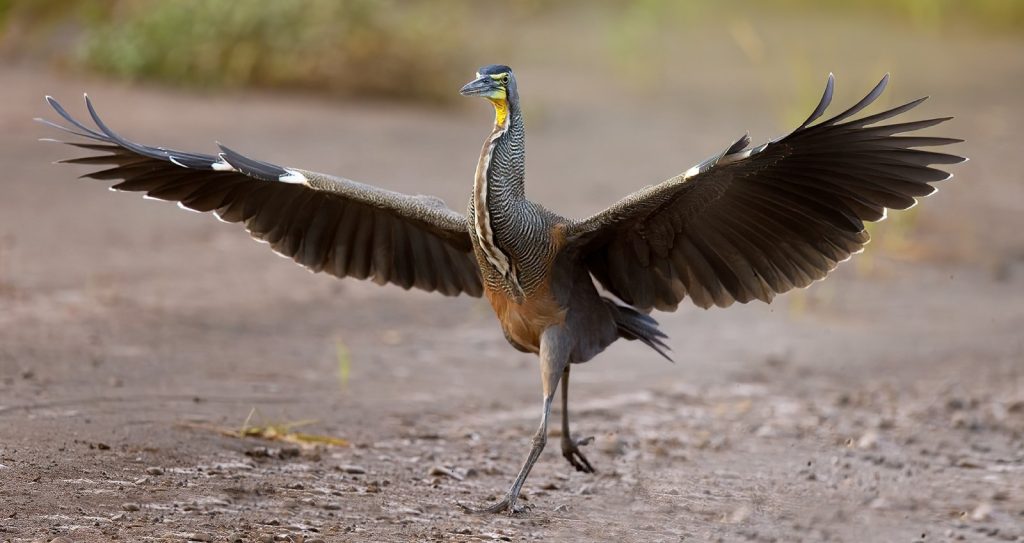
Bird Density & Diversity
Costa Rica’s compact geography is packed with ecosystems — cloud forests, lowland rainforests, mangroves, wetlands, and highlands — allowing photographers to see an incredible range of species without long travel days. Notable species include:
- Resplendent Quetzal
- Keel-billed Toucan
- Fiery-throated Hummingbird
- Scarlet Macaw
- Three-wattled Bellbird
- Collared Redstart
- Snowcap & Violet Sabrewing
Photographer-Friendly Infrastructure
Costa Rica offers:
- Professional birding lodges
- Private photography decks
- Feeders, perches, and hides
- Local guides experienced with photographers
These features significantly increase your chances of capturing extraordinary images.
Safety & Accessibility
Compared to many tropical destinations, Costa Rica is extremely safe, clean, and easy to navigate — which is why it’s one of the top choices for wildlife photographers worldwide.
Best Bird Photography Regions in Costa Rica
Below are Costa Rica’s highest-ranking photography zones, based on species richness, photographic conditions, and overall experience.
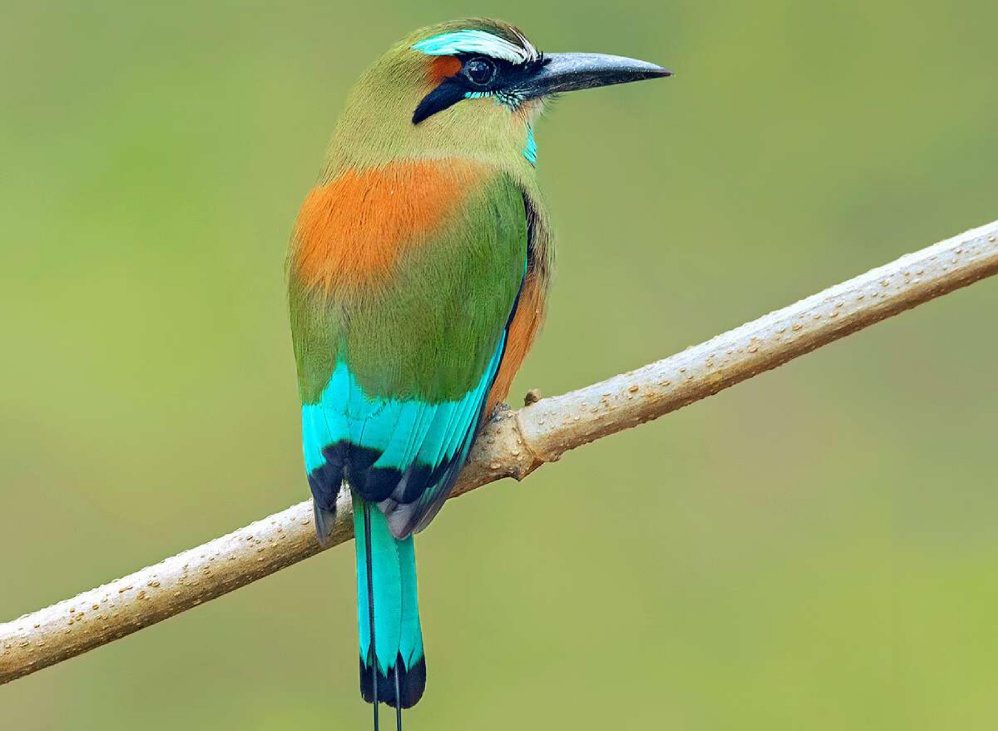
Monteverde & San Gerardo de Dota (Cloud Forests)
Target Species:
Resplendent Quetzal, Emerald Toucanet, Long-tailed Silky-Flycatcher, Mountain Gem Hummingbirds.
Why photographers love it:
Soft diffused light, moss-covered branches, and a mystical atmosphere that elevates every photo.
Image Suggestions:
- Quetzal feeding on wild avocado
- Hummingbirds on natural perches
- Foggy cloud-forest habitat shots
Arenal & La Fortuna
Target Species:
Keel-billed Toucan, Collared Aracari, Red-legged Honeycreeper.
Why it’s great:
Excellent lodges with feeders and great natural light.
Image Suggestions:
- Toucan perched on heliconia
- Honeycreepers at feeders
Sarapiquí (Lowland Caribbean Rainforest)
Target Species:
Snowcap, Green Honeycreeper, Great Green Macaw.
Why photographers love it:
Diverse tropical species, great macro opportunities, and controlled photography setups.
Osa Peninsula (Corcovado National Park)
Target Species:
Scarlet Macaws, Black-cheeked Ant-Tanager, Manakins.
Highlights:
One of the most biodiverse places on Earth.
Image Suggestions:
- Macaws in flight
- Ant-birds on forest floor
Best Time of Year for a Costa Rica Bird Photo Tour
The good news: Costa Rica is excellent year-round, but certain months offer specific photographic advantages.
December – April (Dry Season):
- Best general photography conditions
- Ideal for first-time visitors
- Quetzal breeding begins (Feb–Apr)
May – August (Green Season):
- Dramatic skies
- Fewer tourists
- Exceptional hummingbird activity
September – November (Rainy Season):
- Challenging weather, but amazing rainforest colors
- Best if you prefer moody, atmospheric photography
Must-Photograph Birds of Costa Rica
Below are species every photographer aims for:
- Resplendent Quetzal
The holy grail of Costa Rican bird photography — iridescent emerald feathers and long tail plumes.
- Fiery-throated Hummingbird
Best photographed at high elevation where the light catches its multi-colored throat.
- Keel-billed Toucan
Vivid, bright, and charismatic — a favorite among wildlife photographers.
- Scarlet Macaw
Incredible subjects for action shots and flight photography.
- Snowcap Hummingbird
A rare, tiny species found in lowland forests — a bucket-list capture.
Photography Tips for Costa Rica Bird Tours
- Optimal Camera Settings
- Shutter: 1/2500 sec for hummingbirds
- Aperture: f/4–f/5.6 for subject separation
- ISO: Don’t fear ISO 800–3200 — Costa Rica has shade
- Use AI Tracking Autofocus
Modern mirrorless cameras excel at tracking fast-moving species.
- Shoot at Feeders, but Create Natural-looking Images
Use natural perches beside feeders to mimic wild behavior.
- Prioritize Early Morning & Late Afternoon
Golden hours produce vivid colors and catch-light in the eyes.
What to Pack for a Costa Rica Bird Photo Tour
Must-have equipment:
- 400mm–600mm telephoto lens
- 70–200mm for habitat shots
- Lightweight tripod or monopod
- Rain covers & dry bags
- Extra batteries (humid environments drain faster)
Optional but helpful:
- Flash with diffuser for hummingbirds
- Binoculars
- Laptop for nightly backups
Why Join a Guided Costa Rica Bird Photo Tour?
A guided tour saves you:
- Wasted travel time
- Guesswork in locating species
- Poor lighting conditions
- Missed opportunities
You benefit from:
- Expert photographers
- Local naturalists
- Pre-scouted hides
- Optimized schedules